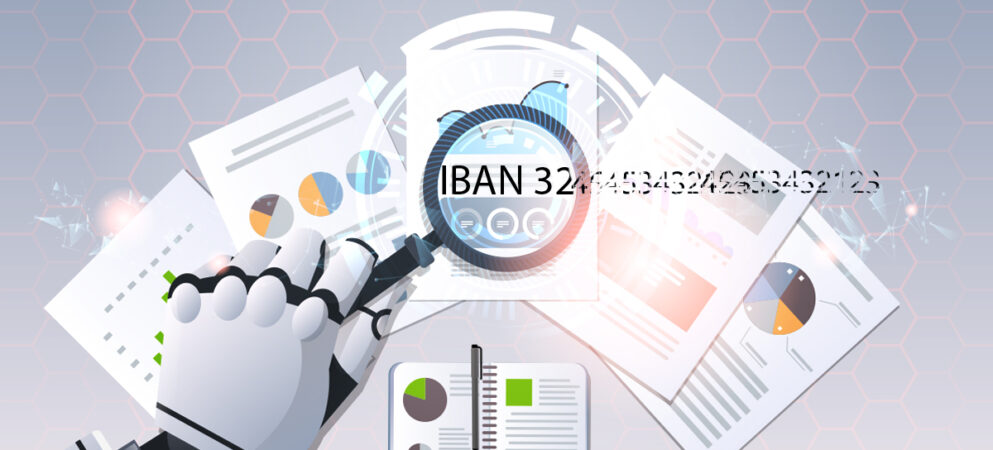
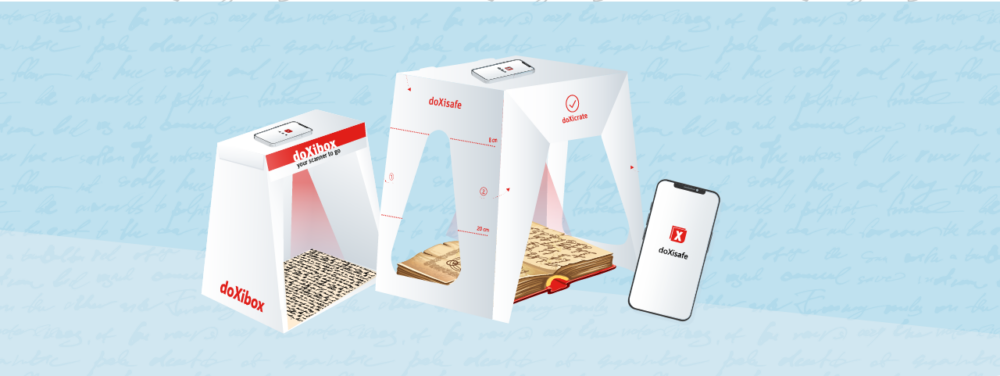
More and more documents are being digitized today for archiving or sharing. This is usually done by scanning or photographing them. However, poor lighting, camera shake, or low resolution can impair readability.
Although there are already relevant guidelines in the public sector regarding the accessibility of documents, government agencies still have a long way to go in this regard. In the private sector, too, millions of non-accessible PDF documents continue to be made available or used in customer communications.
Companies that want to develop and use artificial intelligence need suitable training data. However, these often have a personal reference and thus fall within the scope of the General Data Protection Regulation (GDPR).
For all CIB employees, training on CIB crowdsource is getting even more exciting. Since last Wednesday, they can support a good cause through the freshly launched shop. How exactly this works is revealed below.
The Internet of Things enables the networking of everyday objects. The best-known area of application is the living comfort of smart homes – from automatic light regulation in the bedroom to voice-controlled multimedia systems.
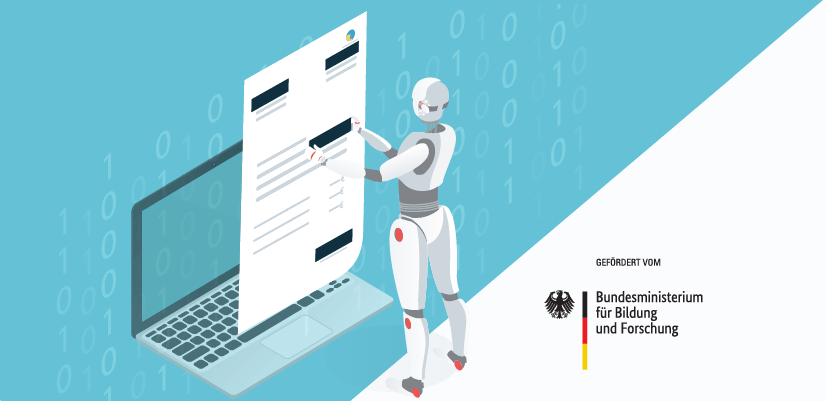
In the spring of 2019, the Federal Ministry of Education and Research (BMBF) gave the green light to the PoP (Protect our Privacy) research project by approving the application for research funding under the funding program
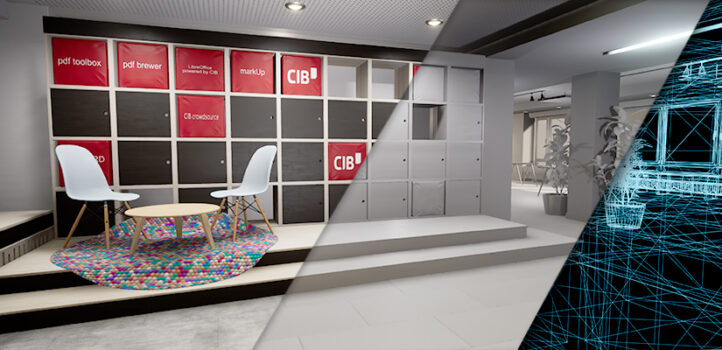
CIB apollo erzeugt frei erkundbare 3D-Welten, in denen virtuelle Events stattfinden. Unser neuestes Projekt setzt modernste Technologie und Gamification-Elemente ein und demonstriert eindrucksvoll das Können unserer Entwicklungsabteilung.
As a research project partner of the University of Hamburg, CIB is seeking individuals interested in the self-learning AI developed as part of the project to help further develop the HILANO anonymization software.
In June 2019, we had already integrated the external blinds into openHAB. At that point, we were using Rademacher firmware version 2.x. We then upgraded to firmware version 5.x.
Effortlessly deciphering centuries-old manuscripts and discovering literary treasures along the way—such as previously unknown notes and drawings by van Gogh. A dream that is finally coming true for many librarians and historians, thanks to Transkribus.
In the final weeks of 2019, it became clear that a off-the-shelf solution would not deliver the results we wanted. Therefore, we decided to build our own system.
We did this using a small Java program that retrieves the data from the Rademacher API (JSON) and then writes it as a link to a text file that openHAB is constantly monitoring.